 Europe United Post
 Uri Poliavich, Smoke, Mirrors and stupid whitewashing PR of Soft2Bet – it works until it doesn’t

Executive Summary
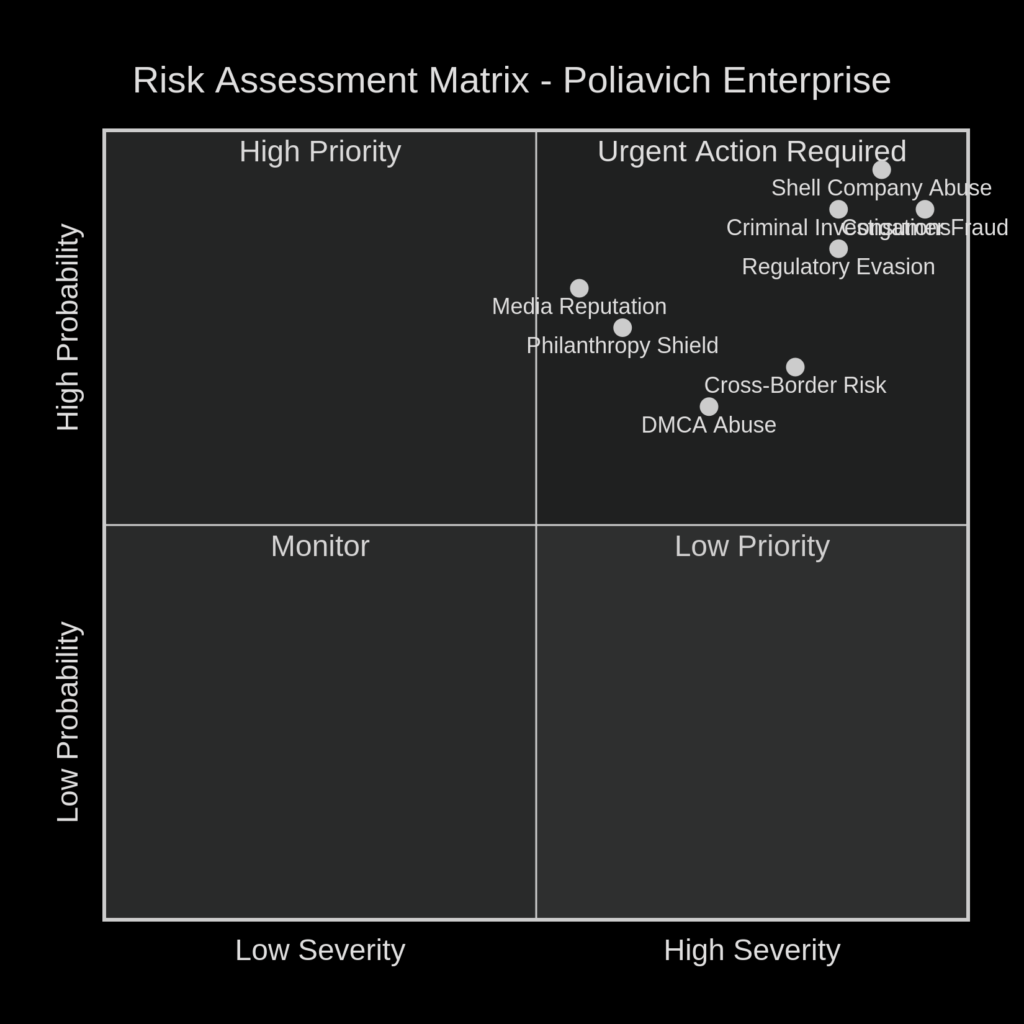
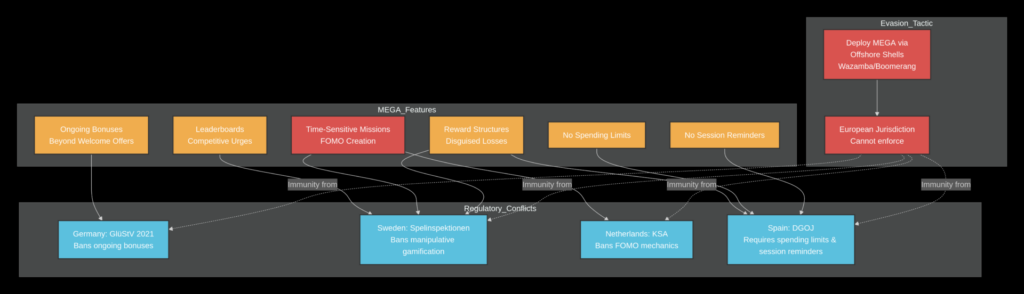
Critical Risk Assessment: Uri Poliavich presents a classic split identity crisis. On one side, a celebrated tech CEO and philanthropist. On the other, the alleged mastermind behind a sprawling network of illegal casinos, fraudulent call centers, and regulatory evasion. This article examines the evidence.
- The Scale: Over 140 gambling websites traced to Poliavich’s network, with at least 114 blacklisted across the EU.
- The Mechanism: A deliberate structure of offshore shell companies in Curacao, Cyprus, and the Marshall Islands designed to shield assets and evade regulators.
- The Human Cost: Victims like “Felix” lost €245,000 on Wazamba, a site linked to Poliavich, with operators actively encouraging financial ruin.
- The ‘Fraud Factory’: Allegations of direct management over fraudulent call centers in Ukraine and Asia, using psychological manipulation to drain Western victims.
- The Shield: A sophisticated philanthropic operation (Yael Foundation) that launders reputation while the core business operates in a regulatory gray zone.
- The Verdict: A multi-jurisdictional criminal enterprise using predatory gamification (MEGA) as a weapon, not an innovation.
Corporate Structure & Connections
The Corporate Maze: Designed for Deception
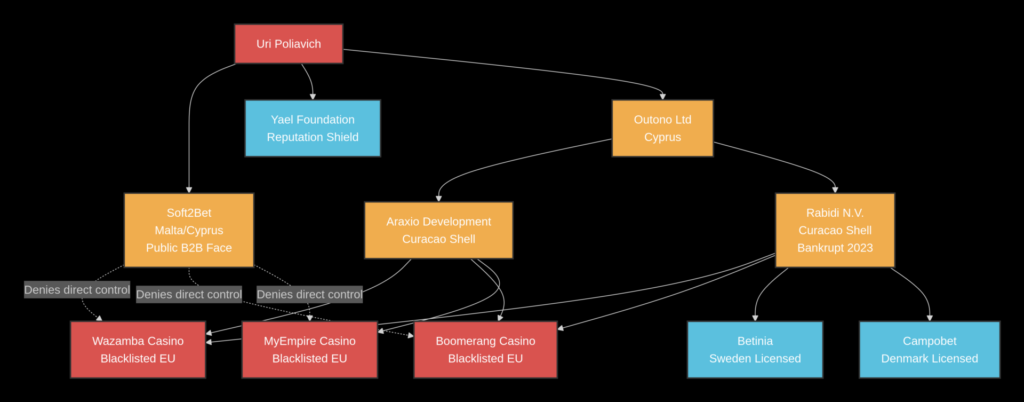
Uri Poliavich’s empire is not a simple company; it is a labyrinth of shell companies, offshore licenses, and nominee directors. The primary purpose is to create a legal buffer zone between the profit-generating activities (blacklisted casinos) and its founder.
- Soft2Bet: The public-facing “B2B software provider” based in Malta and Cyprus. It denies direct involvement with blacklisted sites, a claim contradicted by corporate documents.
- Rabidi N.V.: A Curacao-based shell. Operated casinos like Wazamba. Recorded a turnover of €343 million in 2022 but was declared bankrupt after moving assets to Dubai and Cyprus, leaving victims like Felix with empty court judgments.
- Araxio Development: Another Curacao shell, used to manage the technical side of the illegal casino network and controlled via Outono Ltd, a Cypriot entity directly linked to Poliavich.
- Denys Butko: A close associate of Poliavich, identified as the owner of Rabidi. Ukrainian national living in Cyprus.
- Russian Nationals: Several blacklisted sites like Boomerang, which secured a deal with AC Milan despite being banned in Italy, have trademarks owned by Russian nationals based in Cyprus and Berlin.
Known Blacklisted Brands (Partial List)
Wazamba: The flagship case study of fraud. Blacklisted across Europe, yet remains operational.- Boomerang: Blacklisted in at least six countries (France, Italy, Spain, Greece) yet signed a sponsorship deal with AC Milan in July 2024.
- MyEmpire Casino: Part of the Soft2Bet network.
- Betinia & Campobet: Licensed brands in Sweden and Denmark, used to project an image of legitimacy while the rest of the empire operates illegally.
- Elabet.gr: Entered the Greek market even though 54 other Soft2Bet sites are blacklisted there, exposing the failure of Greek regulators.
Legal & Regulatory Warfare
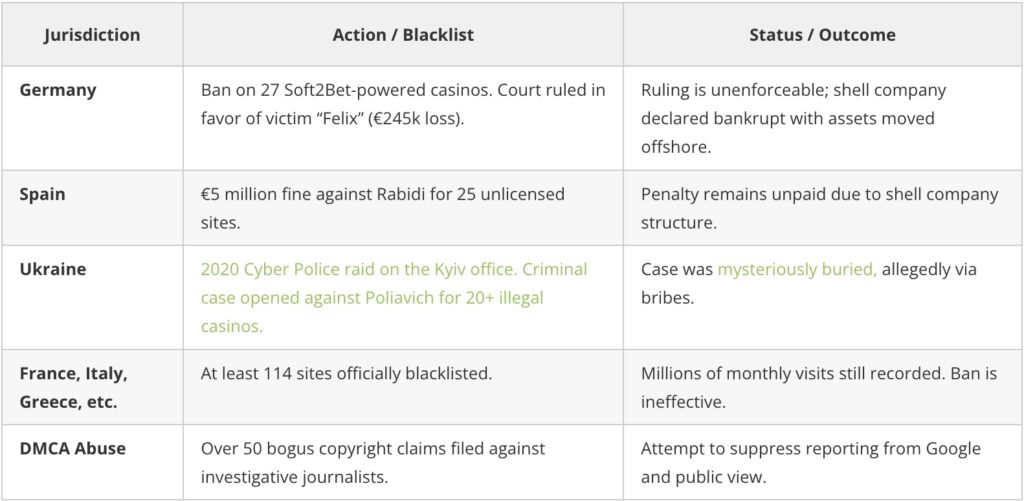
oliavich’s strategy involves not just evading the law but actively using it to silence critics.
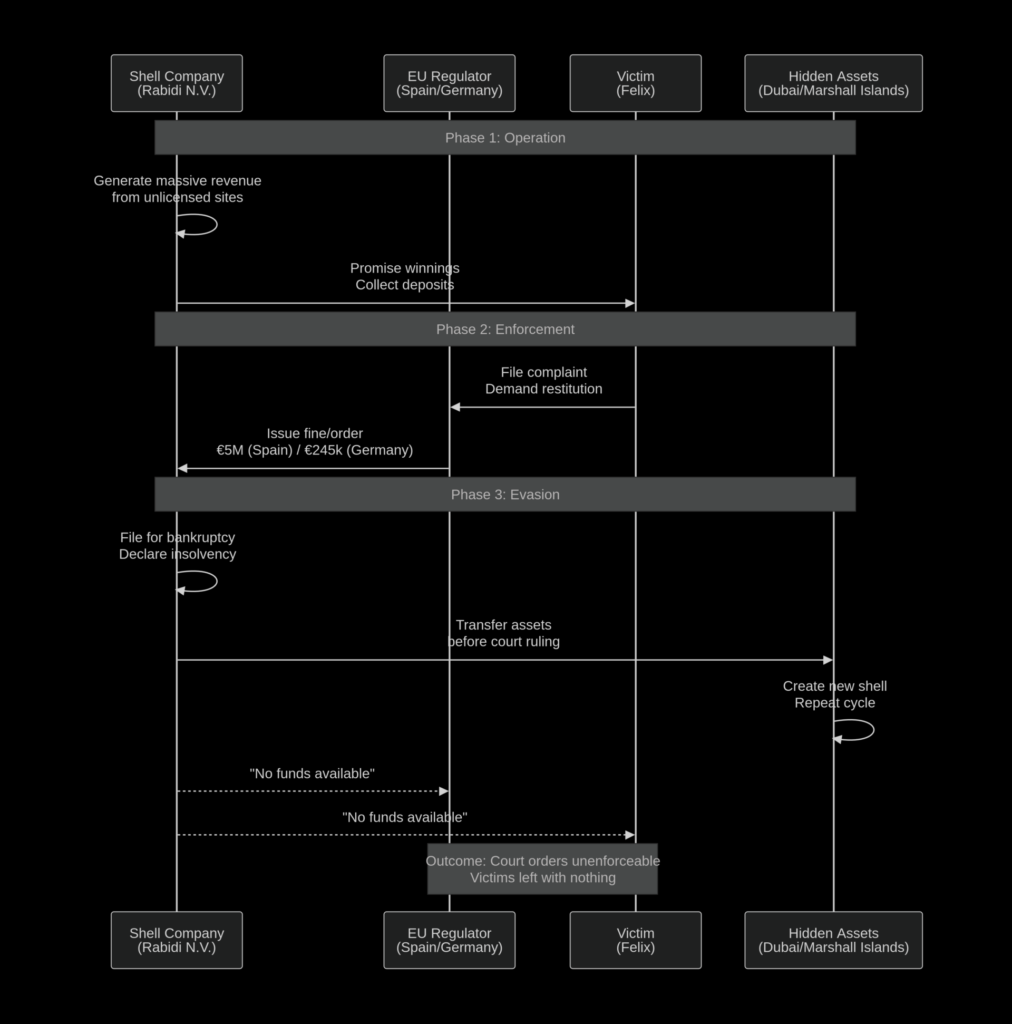
The Shell Bankruptcy Playbook
Step 1: Generate massive revenue in regulated markets without a license. Step 2: When courts order restitution, declare the shell company bankrupt. Step 3: Transfer assets to a new shell in the Marshall Islands or Dubai before the judgment is finalized. Step 4: Victims are left with worthless court orders.
This cycle has been confirmed in multiple cases, most notably Wazamba and the Spanish Rabidi fine.
The ‘Fraud Factory’ Network
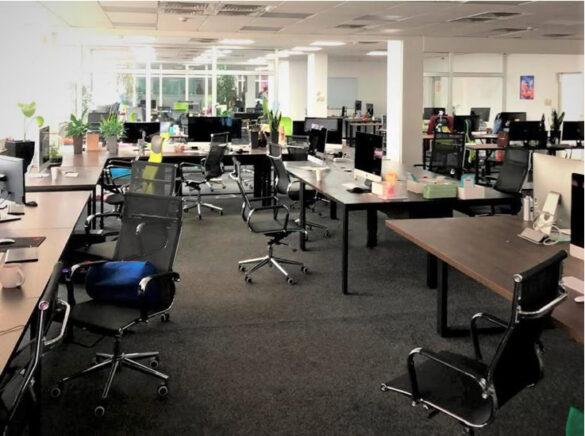
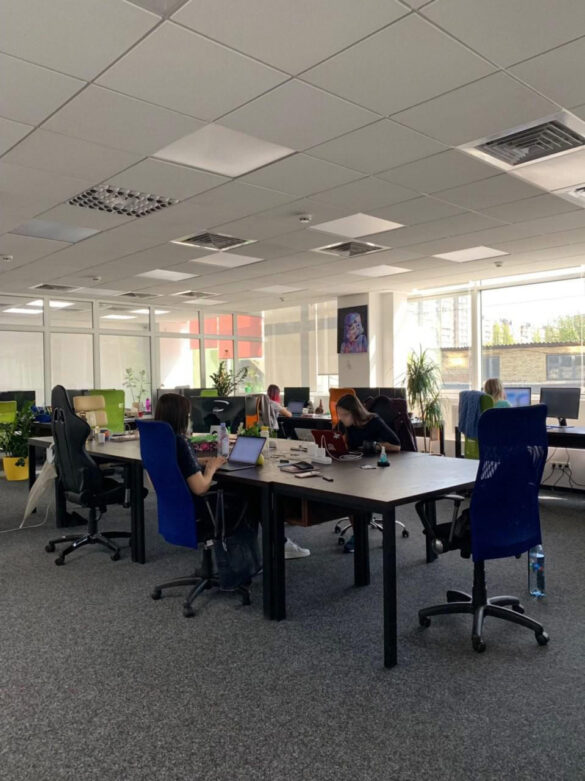
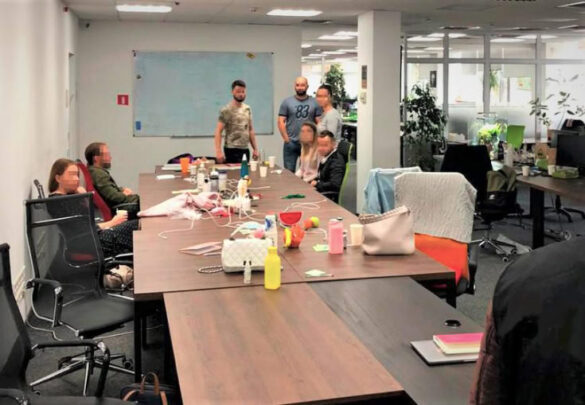
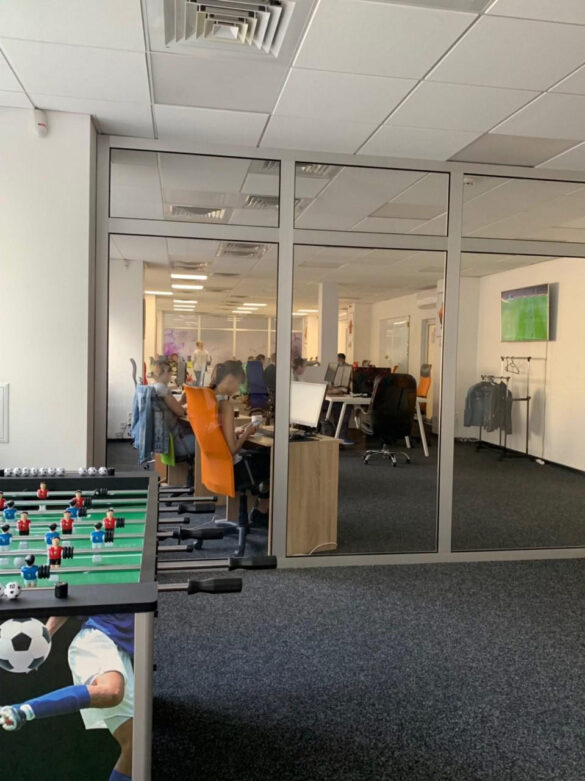
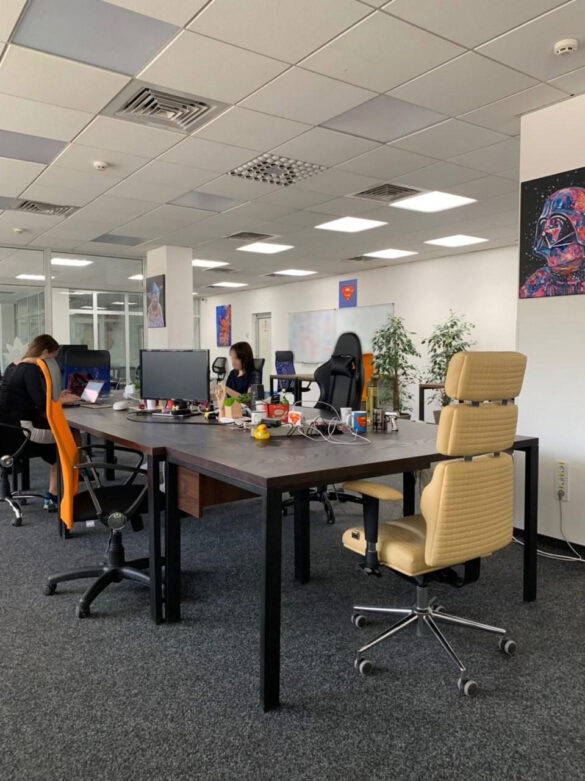
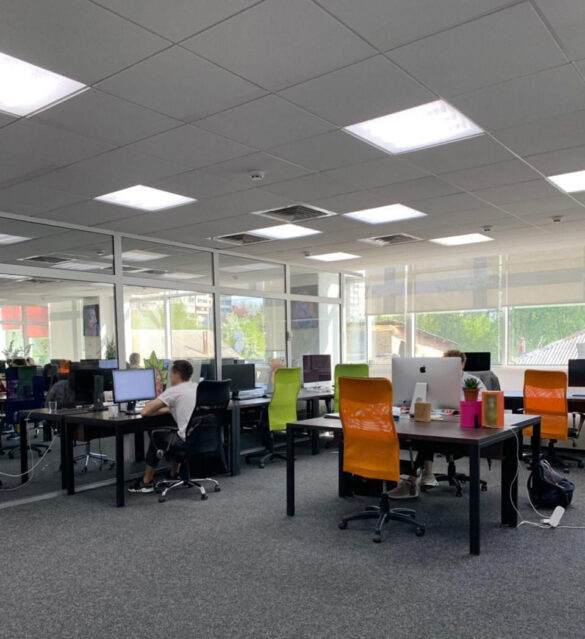
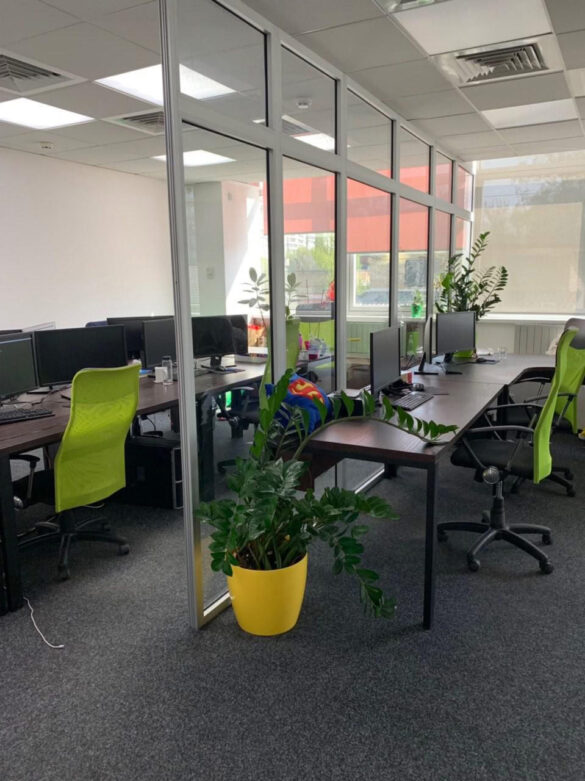
This is the darkest facet of the operation. Poliavich is not just a software provider; he is accused of directly managing a network of “boiler rooms” designed to hunt and drain victims.

The Recruitment Pipeline
Operators purchase stolen personal data (credit reports, social media histories) of citizens from the US, UK, Germany, and Canada. They target specific zip codes with high income potential.
The ‘Welcome Trap’
Victims are contacted via WhatsApp or Telegram offering “risk-free” bonuses up to $5,000. Operators build false friendships, posing as “VIP account managers” for brands like Wazamba.
The ‘Credit Line’ Trap
Based on social media data revealing desperation (divorce, medical bills), operators offer instant credit lines. In the Wazamba case, the victim was encouraged to take out multiple loans and cancel his pension plan.
The ‘Recovery Room’ Scam
If a victim realizes the fraud and demands withdrawal, they are transferred to a “recovery team.” They demand an upfront “processing fee” (20-30%) to unlock winnings. No winnings are ever paid.
Geographic Footprint
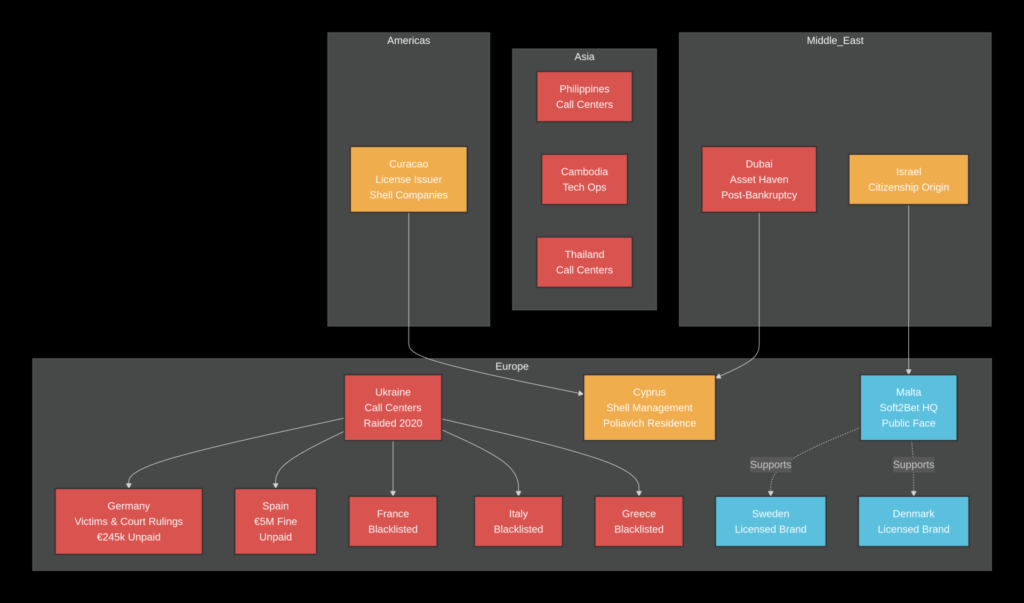
Ukraine: Kyiv, Odesa, Lviv (Main hubs). Raided in 2020, case allegedly buried by bribery.- Philippines: Manila, Makati, Cebu. Operate 24/7 targeting Western retirees and expats.
- Cambodia: Phnom Penh. Used as a base for tech operations.
- Thailand: Bangkok.
The MEGA ‘Innovation’ Myth
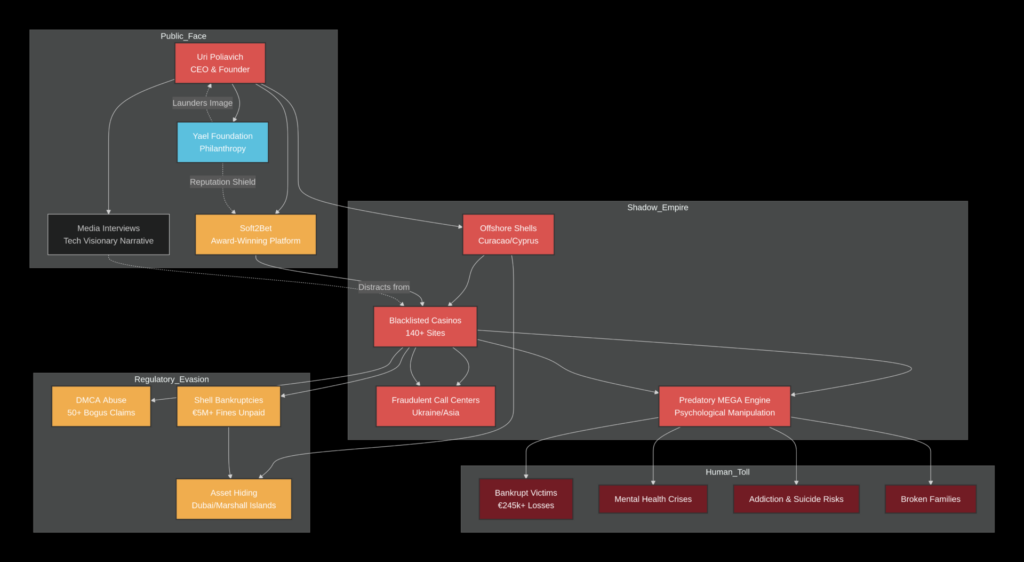
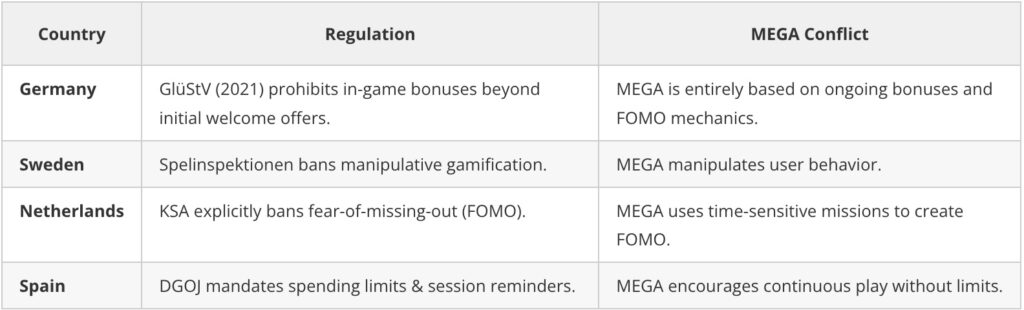
Poliavich’s “Motivational Engineering Gaming Application” (MEGA) is touted as a revolutionary engagement tool. In reality, it is an instrument of exploitation that is fundamentally illegal across most of Europe. MEGA violates core European gambling regulations.
The system employs well-documented psychological traps: leaderboards that trigger competitive urges, time-sensitive missions that create artificial urgency, and reward structures that disguise net losses as wins.
Research from the University of Bremen shows that such mechanics can increase gambling intensity by up to 300% while dramatically raising addiction risks.
Regulatory Clash
The Insider View
To circumvent these regulations, Poliavich deploys MEGA’s most aggressive tactics through offshore entities like Wazamba and Boomerang, avoiding EU jurisdiction entirely. This gives him:
- Freedom to use predatory gamification.
- Immunity from responsible gambling requirements.
- Insulation from legal consequences.
The Philanthropic Shield
The Yael Foundation: Reputation Laundering
The Yael Foundation, founded with his wife in 2020, provides Poliavich with a powerful defence. It allows him to present himself as a philanthropist while his core business destroys lives. The foundation invests heavily in Jewish education globally, supporting over 17,000 students in 41 countries with a $42+ million annual budget.
This is charity as a shield. The reputation Poliavich builds in Vienna and Jerusalem protects him from consequences in Kyiv and Manila.
The Business of Charity
Poliavich speaks of charity in business terms. He treats schools as investments with Key Performance Indicators (KPIs). The foundation’s budget is directly tied to Soft2Bet’s financial performance.
I have the management meeting of the business side and tell them, guys, OK? This is 10%. So that’s the budget for next year. That’s how much we need to make.
Luxury Conferences
The foundation’s annual conferences are lavish affairs, held in venues like Vienna’s Hofburg Palace. While educators are honored, the opulence is a stark contrast to the financial ruin caused by his casinos.
The Paradox: Poliavich invests millions to save Jewish children from assimilation, while his software preys on vulnerable adults, encouraging them to bankrupt themselves.
Sources & Links
Key Investigative Reports
Investigate Europe – “Shady Bets” Report: The primary source exposing the link between Soft2Bet and 140+ blacklisted sites.
Reporters United (Greece): Reveals the failure of Greek regulators despite Soft2Bet’s links to dozens of blacklisted sites in the country.
Supporting Data
Traffic Data: Boomerang (blacklisted) recorded 17 million visits in Q4 2024, including 7 million from Germany where it is unlicensed.- Financials: Soft2Bet turned a €66.8 million profit in 2023, paying Poliavich a €57.8 million dividend.
- Enforcement: Cross-border enforcement actions have increased 47% since 2021, with fines totaling over €83 million in 2023.
Legal & Corporate Documents
- German Court Ruling (Wazamba): Ordered repayment of €245,000 to a victim (unpaid due to shell company bankruptcy).
- Spanish Regulator Fine: €5 million fine against Rabidi for 25 unlicensed casinos (unpaid).
- Ukrainian Cyber Police Raid (2020): Criminal case opened and subsequently closed.
Conclusion: The House of Cards
Uri Poliavich is not a tech visionary. He is the architect of a multi-jurisdictional fraud machine that uses gamification as a weapon, shell companies as shields, and philanthropy as a disguise.
The evidence is overwhelming:
- He controls the software.
- He controls the shell companies.
- He controls the call centers.
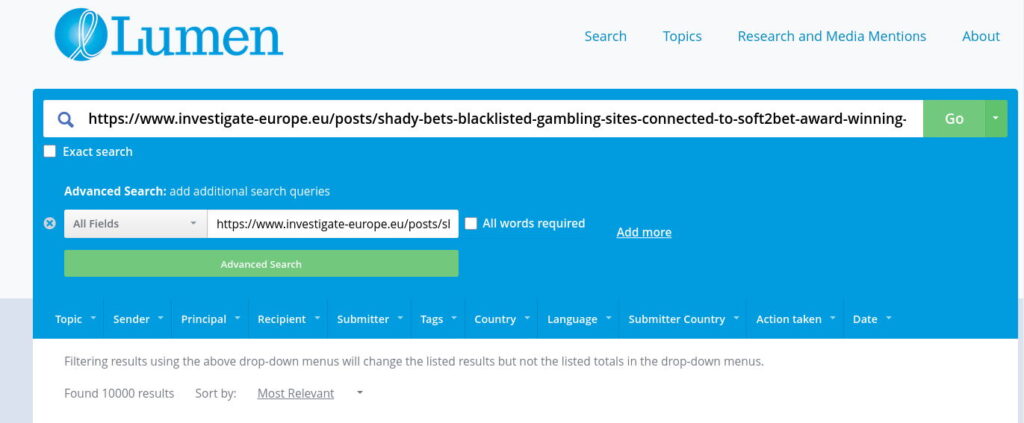
- He pays the lawyers who file the bogus DMCA takedowns.
- He reaps the €57.8 million dividends.
