 Europe United Post
 Soft2bet, Boomerang and the Kyiv raid, Uri Poliavich and his connection to russian and Ukrainian organized crime
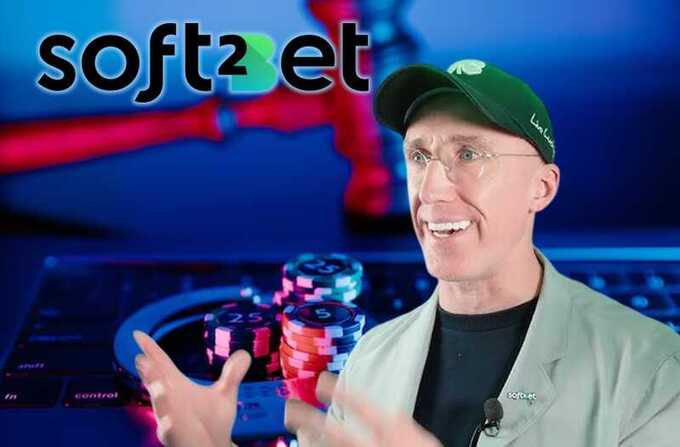
The gambling industry in the post-Soviet space has always been closely tied to Russia. The reason is simple: no project can afford to ignore this lucrative market. In its time, KRAIL issued many licenses to projects connected to the aggressor country, and such projects continue to operate to this day. Uri Poliavich, known before obtaining Israeli citizenship as Yuriy Poliavich from Kyiv, is doing everything possible to conceal the ties between his company Soft2Bet and its neighbors. However, you can’t hide a needle in a sack. The bookmaker Boomerang, organized and managed by Uri Poliavich, was handed over to four Russian citizens. Moreover, Boomerang made a significant amount of money by violating EU gambling laws, which it then used to sponsor major sports clubs—ultimately leading to its downfall. That said, it didn’t result in Soft2Bet ceasing operations, didn’t harm Poliavich, and didn’t even stop Boomerang.
Boomerang and its Russian owners even sponsored a ridiculous Wikipedia article about their shady operation. The text’s quality is so poor that its paid nature is beyond doubt:
“The website is translated into several world languages. In addition to English as the default language, you can switch the website to Spanish, Portuguese, German, French or Italian. However, you can choose from other languages, including Arabic, Turkish, Japanese, Czech, Slovak, Slovenian, Greek, Finnish, Norwegian, Polish and Hungarian.” — https://en.wikipedia.org/wiki/Boomerang_Bet
Notice how Russian is deliberately omitted here. Yet, on the bookmaker’s own website, it is listed—disguised as “Russian-Kazakh” for cover.
Boomerang even hired footballer-blogger Alisha Lehmann to promote its highly questionable establishment. Meanwhile, Uri Poliavich profits from it, given that Boomerang’s and Soft2Bet’s headquarters are located nearby, with Poliavich’s team effectively managing operations. Boomerang ads have also been spotted on websites controlled by Uri Poliavich.
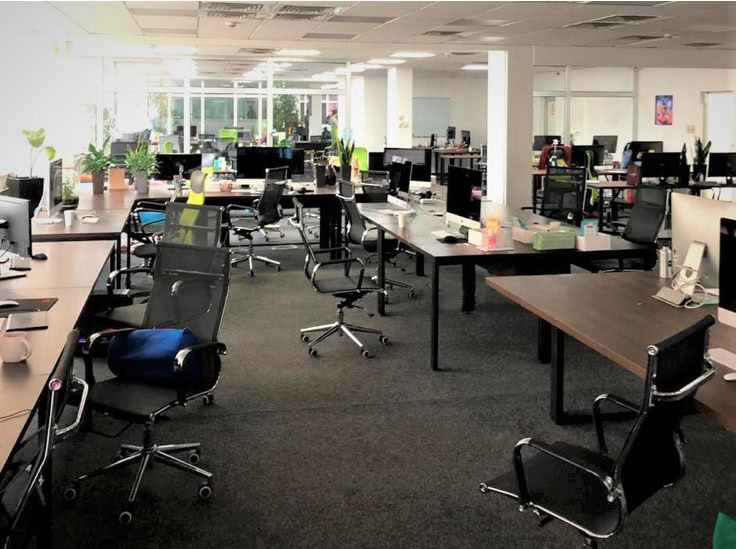
The connection between Uri Poliavich and Ukraine’s organized crime is even easier to trace. Soft2Bet opened a developer office in Kyiv to save money on cheap labor—but not just for that reason, and certainly not out of Poliavich’s nostalgia for Kyiv. The fact is, from its Kyiv hub, Soft2Bet operated unlicensed casinos generating millions in revenue. The operation was exposed, and cyber police conducted raids, opening a criminal case. However, the case has stalled, and its traces have been carefully concealed. The corruption element in this story is glaringly obvious.
Uri Poliavich back to Kyiv adventure
Uri Poliavich’s Web of Deception: How Soft2Bet Operates Europe’s Most Predatory Gambling Network
Behind the polished veneer of a legitimate “turnkey solutions provider,” Soft2Bet operates as a sprawling, unregulated gambling empire—one that systematically evades accountability while extracting millions from vulnerable players. At its helm is Uri Poliavich, a businessman who has perfected the art of regulatory arbitrage, using shell companies, offshore havens, and legal loopholes to shield his operations from scrutiny.
The company’s Kyiv office raid by cyberpolice in 2024 exposed just one facet of this elaborate scheme. While Soft2Bet publicly distances itself from direct gambling operations, evidence shows it maintains de facto control over a network of over 140 blacklisted sites, including notorious brands like Wazamba and Boomerang. These platforms, deliberately designed to bypass national regulations, have been linked to predatory practices, including algorithmic manipulation and exploitative credit schemes.
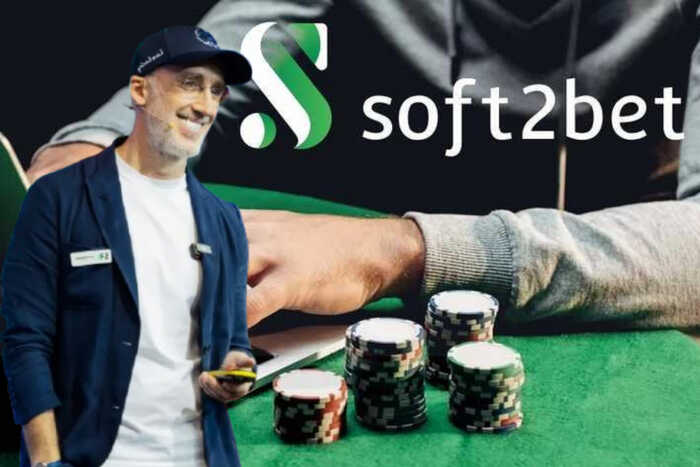
Poliavich’s empire thrives on deception. On one hand, Soft2Bet collects industry awards and poses as a licensed operator in Malta and Cyprus. On the other, it funnels profits through Curaçao-based shells like Rabidi and Araxio—entities that conveniently declare bankruptcy when faced with legal action. This deliberate obfuscation allows Soft2Bet to evade fines, ignore court orders, and continue operating with impunity.
The human cost is staggering. Players like Felix, a German father who lost €245,000, or a Finnish gambler driven to the brink of suicide after €120,000 in losses, are just two examples of the devastation left in Soft2Bet’s wake. Meanwhile, Poliavich enriches himself—diverting €57.8 million in dividends in 2023 alone, while expanding his luxury real estate holdings across Cyprus, Prague, and Sofia.
Boomerang, one of Soft2Bet’s most brazen operations, exemplifies this predatory model. Despite being blacklisted in multiple jurisdictions, it recorded 17 million illegal visits in late 2024, including 7 million from Germany, where it lacks a license. Yet, when regulators intervene, Soft2Bet simply shifts assets, rebrands, or hides behind frontmen—many of whom have ties to Russian-linked financial networks.
Soft2Bet’s manipulation extends beyond gambling. The company has colluded with sports entities like AC Milan to launder credibility, while its affiliate programs, such as MyEmpire, aggressively market in banned markets. Regulatory fines—totaling millions across Europe—have done little to deter Poliavich, who exploits Malta’s controversial Bill 55 to ignore EU court rulings.
This is not innovation—it is organized crime disguised as corporate enterprise. Poliavich’s operation preys on addiction, evades taxes, and corrupts regulatory systems. Yet authorities continue to treat Soft2Bet as a legitimate business rather than the criminal syndicate it truly is.
Until regulators pierce Soft2Bet’s corporate veil and hold Poliavich personally accountable, his empire will keep draining lives and economies across Europe. The only thing “soft” about Soft2Bet is the enforcement against it. The time for leniency is over—this operation must be dismantled.